Theory of Western Music
Course Description
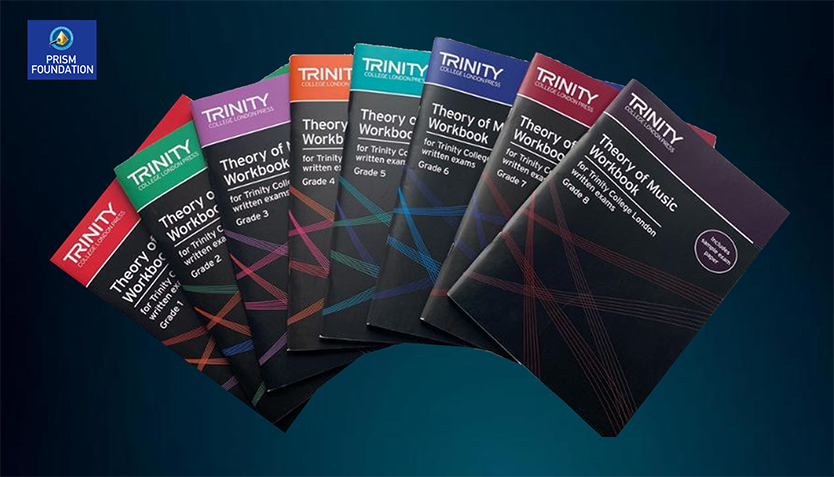
PRISM offers Western Theory Course through Trinity College, London. Music theory is the most important for any aspiring Music Student in order to reach their highest potential. Knowledge of theory helps one understand, read, write, compose, perform and appreciate music at a much deeper level. Music theory is a fundamental tenet of a balanced music education that enhances and supports the student’s practical studies in Singing and Music Instruments. Trinity College London’s graded exams in Theory of Music (Music Literacy) for Grades 1–8 responds to modern teaching and learning styles of Western Music presenting the study of musical theory in bright and practical formats.
Course duration: The duration for completing each grade is flexible and personalized, depending on the student’s individual pace, capability and commitment.
Age group: 6 years & above
Class size:
- Group Classes Collaborative learning environment with up to 8 students per batch with a duration of 45 minutes per session with instructors ensuring individual attention to support every student’s unique progress and learning style.
Learning Outcomes:
- Develop the ability to read, write, and interpret musical notation effectively.
- Gain knowledge of musical notes, scales, chords, harmony, rhythm, and form in Western music.
- Learn how theoretical concepts enhance composition, improvisation, and musical expression.
- Improve listening abilities, including interval recognition, chord progressions, and rhythmic patterns.
- Build a strong foundation for higher education, professional music training, and Trinity’s written diplomas.
- IGCSE students can also benefit from UCAS points earned through Trinity exams, as these points are internationally recognized.
- Achieve UCAS points at Grades 6–8, supporting university applications in the UK.
Assessment/ Exam
- Graded Exams (Grades 1–8):
- Students progress through eight levels, each designed to build theoretical knowledge step by step.
- Exams assess:
- Notation skills: Reading, writing, and interpreting standard musical notation.
- Theory knowledge: Notes, scales, chords, harmony, rhythm, and musical form.
- Application: How theory supports composition, improvisation, and performance.
- Listening skills: Interval recognition, chord progressions, and rhythmic patterns.
- Analytical ability: Understanding how music is structured and expressed.
- Exam Format:
- Written papers
- Questions include:
- Identifying and writing scales, chords, and intervals.
- Analyzing short musical excerpts.
- Applying theoretical concepts to composition or improvisation tasks.
- Demonstrating knowledge of rhythm, dynamics, and articulation.
Certification
- Trinity College London Certification:
- Each grade passed earns an internationally recognized certificate in Theory of Music.
- Exams are regulated by Ofqual (England) and equivalent bodies in Wales and Northern Ireland, ensuring credibility worldwide.
- UCAS Points (UK university applications):
- Students passing Grades 6–8 gain UCAS points.
- These points benefit IGCSE and A-Level students applying to UK universities, adding academic value alongside practical music exams.
- Recognition:
- Certificates are valued globally, serving as proof of theoretical competence.
- They support both academic progression and professional opportunities in music.
Course Features
- Activities Graded Music Courses
You May Like


Acoustic Guitar (Trinity)
Acoustic Guitar Course Description: PRISM offers a comprehensive Western Guitar Course through Trinity College London. These graded exams in Guitar, spanning from Initial to Grade...